Why Standard Snack Lists Fall Short (and What Actually Works)
When I first switched to a plant-based diet, I thought I had it figured out. I bought boxes of veggie straws, dried fruit, and those individually wrapped nut bars. Within two weeks, I was constantly hungry, irritable, and wondering why my "healthy" snacks left me reaching for another bag by 3:00 PM. The problem wasn't the snacks themselves - it was the lack of a strategy.
Most plant-based snack roundups list 30+ ideas without teaching you how to choose one that actually keeps you full. The thing nobody tells you about plant-based snacking is that satiety comes from a balance of protein, fiber, and healthy fat. A handful of grapes (mostly sugar and water) will spike your blood sugar and leave you crashing. A rice cake with jam? Same story. What you need is a framework, not a grocery list.
In this article, I'll share five build-your-own snack formulas that I've tested over years of meal prepping, traveling, and feeding a hungry family. You'll also get direct answers to the questions people search for most - like whether popcorn fits, what to eat every day, and how to make veggies actually taste good. No fluff, no 30-item scroll. Just practical, honest advice.
Formula 1: Veggie + Protein-Rich Dip
This is the most straightforward formula, but most people get it wrong by using a low-protein dip. A raw carrot stick dipped in a low-fat ranch (often made with water and artificial thickeners) won't keep you full. Instead, aim for a dip that delivers at least 5 grams of protein per serving. My go-to options:
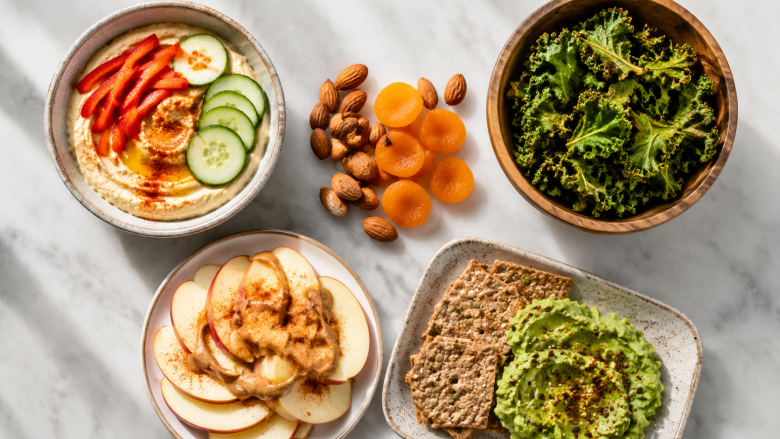
- Hummus - 2 tablespoons has about 3 grams of protein. Pair with bell peppers, cucumber, or snap peas. To boost protein, add a dollop of tahini or a sprinkle of hemp seeds.
- White bean dip - Blend a can of cannellini beans with lemon juice, garlic, and olive oil. One quarter-cup gives you 6 grams of protein. I make a batch on Sunday and it lasts the week.
- Guacamole with edamame - Mash half an avocado with a handful of shelled edamame. The edamame adds protein and fiber that avocado alone lacks.
One trade-off: raw veggies are low-calorie and high-volume, but they can be tedious to prep. If you're short on time, buy pre-cut veggie sticks. The extra cost is worth it if it means you actually eat the snack. I learned this the hard way after letting a whole head of cauliflower rot in my fridge because I was too tired to chop it.
For the best vegetable-based snacks, focus on crunchy, hydrating vegetables like celery, jicama, and radishes. They have a satisfying bite and pair well with creamy dips. If you're new to this, check out our Beginner's Guide to Simple Plant-Based Snacks for a step-by-step prep plan.
Formula 2: Fruit + Nut Butter or Seed Butter
Fruit on its own is nature's candy - quick energy, but not exactly a meal. The magic happens when you pair it with a source of protein and fat. My standard combination: one apple (or banana) plus 2 tablespoons of almond butter. That's about 7 grams of protein, 9 grams of fiber, and enough fat to keep you satisfied for two hours.
Most people don't realize that nut butters vary wildly in ingredients. Many commercial brands add sugar, palm oil, and salt. Look for a label with one ingredient: the nut itself. Or make your own in a food processor - it takes 10 minutes and saves money. For a seed-based option, sunflower seed butter is lower in saturated fat and works well for those with nut allergies.
When I travel, I pack single-serving packets of peanut butter and a few apples. It's the most reliable snack I know. But here's the honest limitation: nut butters are calorie-dense. If you're trying to manage weight, measure your serving. Two tablespoons is about 190 calories. It's easy to eat double that straight from the jar - I've been there.
Formula 3: Whole-Grain Base + Savory Spread
This formula leans into the "second meal" concept - a snack that could easily pass as a small meal. The base is a whole grain like whole-wheat crackers, rice cakes, or oat cakes. The spread is something savory and protein-packed. My favorites:
- Avocado mash on rye crackers - Mash half an avocado with a pinch of salt and red pepper flakes. Top with a few sunflower seeds for crunch. The fiber from the rye and the healthy fats from avocado make this a powerhouse.
- Mashed chickpeas on rice cakes - Mash a can of chickpeas with a little tahini and lemon juice. Spread on a rice cake. This is essentially a mini hummus sandwich without the bread.
- Roasted red pepper spread on oat cakes - Store-bought roasted red pepper spread (check for dairy) is a quick option. Oat cakes have a nice nutty flavor and more fiber than white rice cakes.
One edge case: if you're sensitive to gluten, choose gluten-free oat cakes or corn tortillas. Rice cakes are naturally gluten-free but can be dusty. Toast them lightly for a better texture.
Formula 4: Crunchy Bites + Seasoning (Yes, Popcorn Counts)
Can I eat popcorn on a plant-based diet? Absolutely - as long as it's not loaded with butter or dairy-based seasonings. Plain air-popped popcorn is a whole grain, low in calories, and high in fiber. The trick is to make it satisfying without relying on butter. Here's what I do:
- Nutritional yeast - Sprinkle 1-2 tablespoons on warm popcorn. It gives a cheesy, umami flavor with B vitamins. Most people don't realize that nutritional yeast is fortified with B12, which is crucial for plant-based eaters.
- Spice blends - Try smoked paprika, garlic powder, and a pinch of cayenne. Or for a sweet-salty combo, drizzle a tiny amount of maple syrup and toss with cinnamon.
- Oil is fine - A light mist of olive oil or avocado oil helps the seasoning stick. Use a spray bottle or a pump mister to control the amount. Two sprays add about 10 calories but make a world of difference.
Other crunchy bites that work: roasted chickpeas (canned chickpeas tossed with oil and spices, baked at 400°F for 30 minutes), edamame pods sprinkled with sea salt, or kale chips (massage with oil and bake at 350°F for 10-12 minutes). The key is not to over-bake - I learned that lesson when I burned two trays of chickpeas into charcoal-like pellets.
One trade-off: crunchy snacks are often dry, so pair them with a hydrating element like a handful of grapes or a cup of herbal tea. And be mindful of sodium - store-bought versions can be very salty.
Formula 5: Sweet Treats That Don't Spike Blood Sugar
Sweet cravings are real, but many plant-based sweets (like agave-sweetened fruit leathers or date bars) are still high in sugar. The formula here is to combine a sweet base with a protein or fat source to slow digestion. My top picks:
- Chia pudding - Mix 2 tablespoons of chia seeds with 1/2 cup of unsweetened plant milk and a teaspoon of maple syrup. Let it sit for 15 minutes or overnight. Top with berries. Each serving has about 4 grams of protein and 11 grams of fiber.
- Frozen banana "nice cream" - Blend a frozen banana with a tablespoon of cocoa powder and a splash of plant milk. It's creamy, sweet, and contains no added sugar. The banana provides potassium and the cocoa adds antioxidants.
- Dark chocolate + almonds - A square of 70% or higher dark chocolate (most are dairy-free, but check labels) with a small handful of almonds. The fat and protein from the almonds blunt the blood sugar spike from the chocolate.
Most people don't realize that dark chocolate is often processed on shared equipment with milk - if you're strictly vegan, look for certified vegan brands. I've been caught off guard by "accidentally vegan" labels that aren't.
What Are Plant-Based Foods to Eat Every Day?
This question comes up constantly, and it's worth answering plainly: there's no single food you must eat every day, but there's a daily staples framework that ensures you get all the nutrients you need. Include at least one food from each of these six categories:
- Legumes - lentils, chickpeas, black beans, or tofu. They provide protein, iron, and fiber.
- Whole grains - oats, quinoa, brown rice, whole-wheat bread, or popcorn. These give you sustained energy.
- Nuts and seeds - almonds, walnuts, chia seeds, flaxseeds, or hemp seeds. They supply healthy fats, magnesium, and zinc.
- Fruits - especially berries, citrus, and apples. Aim for a variety of colors for different antioxidants.
- Vegetables - leafy greens, cruciferous vegetables (broccoli, cauliflower), and colorful options like bell peppers and carrots.
- Herbs and spices - turmeric, ginger, cinnamon, garlic. These add flavor and have anti-inflammatory properties.
You don't need to hit all six in every snack, but try to cover them over the course of a day. For example, a snack of hummus (legume) with carrot sticks (vegetable) and a handful of walnuts (nuts) covers three categories. This is more practical than memorizing a long list of "superfoods."
Practical Tips for Different Situations
Snacks for Work
Work snacks need to be portable, non-perishable, and not too messy. My go-to is a small container of edamame (shelled) with a sprinkle of salt, plus a piece of fruit. If you have access to a fridge, you can bring hummus and pre-cut veggies. Avoid anything that crumbles too much - I once tried to eat a rice cake with almond butter at my desk and ended up with crumbs in my keyboard for a week.
Snacks for Kids
Kids often need snacks that are visually appealing and easy to hold. Apple slices with sunbutter, "ants on a log" (celery with peanut butter and raisins), or frozen banana pops dipped in crushed nuts. A word of caution: avoid small hard foods like whole nuts for children under 4 due to choking risk. And be aware that some kids dislike the texture of chia seeds - I've found that blending them into a smoothie works better.
Budget and Minimal-Ingredient Options
If you're on a tight budget or just starting out, focus on whole foods you already have in your pantry. A can of chickpeas ($1.50) can become roasted chickpeas, hummus, or mashed chickpea salad. Oats are cheap and versatile - make overnight oats, oat cakes, or simple no-bake energy balls. The most expensive part of plant-based snacking is often the specialty items like vegan cheese or protein bars. You don't need them. Stick to the formulas above and you'll save money and eat better.
For a deeper dive into budget-friendly plant-based snacks, see our Beginner's Guide to Simple Plant-Based Snacks, which covers how to stock a pantry for under $50.
Snacking as Self-Care
Taking a few minutes to mindfully prepare and eat a snack can be a form of self-care, especially during a busy day. If you're looking for ways to incorporate short breaks into your routine, our article on 15 Quick Self-Care Ideas for Busy Schedules includes suggestions for turning snack time into a reset moment.
What Are Good Plant-Based Snacks? (A Quick Summary)
There's no single best snack, but the best choices are those that combine at least two of the three pillars: protein, fiber, and healthy fat. Here's a quick decision matrix you can use when you're standing in front of your pantry:
- If you want something crunchy - go for raw veggies with hummus, roasted chickpeas, or popcorn with nutritional yeast.
- If you want something sweet - choose fruit with nut butter, chia pudding, or a small square of dark chocolate with almonds.
- If you want something savory and filling - try whole-grain crackers with mashed avocado, a rice cake with chickpea spread, or a small bowl of lentil soup.
- If you're on the go - pack a banana, a packet of almond butter, and a handful of pumpkin seeds.
Remember, the perfect snack is the one you'll actually eat. Don't overcomplicate it. If you're hungry and the only option is a plain apple, eat it. But if you have five minutes, combine it with something that will keep you satisfied until your next meal.
The Bottom Line: No More Endless Lists
Plant-based snacking doesn't need to be a chore. The five formulas I've shared - veggie + dip, fruit + nut butter, whole-grain + spread, crunchy bites + seasoning, and balanced sweet treats - cover 90% of real-world snacking scenarios. They're flexible, they're backed by practical experience, and they answer the most common questions people ask.
Start with one formula that appeals to you. Master it, then add another. Within a week, you'll notice fewer cravings, more stable energy, and a lot less time spent searching for a snack that actually works. And if you ever feel stuck, come back to this article. It's designed to be a reference, not a one-time read.