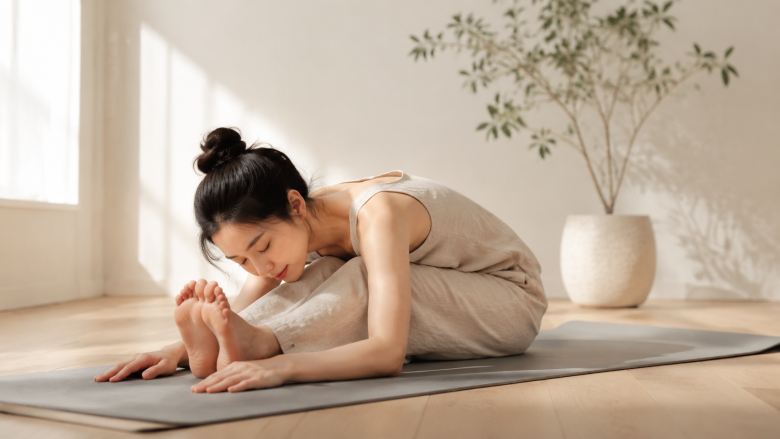
What Exactly Is Gentle Stretching?
Most people think stretching means pushing until you feel a sharp pull or a burning sensation. That's not gentle stretching. Gentle stretching is a deliberate, low-force approach where you move into a position of mild tension, stop before any discomfort, and hold that position for 30 to 60 seconds while breathing deeply. The goal is not to maximize range of motion in one session, but to gradually release chronic tension and improve mobility over weeks and months.
When I first started working with clients who had tight hamstrings and desk-bound jobs, I made the mistake of encouraging them to push harder. Every single one either complained of pain or quit within a week. It took me a while to realize that gentle stretching is not a watered-down version of regular stretching-it is a completely different philosophy. It respects the body's current limits and uses time, not force, to create change.
Here is a quick comparison to help you understand the difference:
- Gentle stretching: Minimal force, long holds (30-60 seconds), breath-led, no pain, focuses on body awareness.
- Aggressive stretching: Moderate to high force, shorter holds (10-15 seconds), often includes bouncing or ballistic movements, may cause discomfort, goal is to increase range quickly.
Gentle stretching is for everyone-especially beginners, seniors, people recovering from injury, or anyone who has been sedentary for a long time. If you have ever felt that stretching is painful or intimidating, this is the approach you need.
Key takeaway: Gentle stretching is not about how far you can go, but how well you can listen to your body.
Why Gentle Stretching Works (and When It Doesn't)
Gentle stretching works because it activates the parasympathetic nervous system-the "rest and digest" mode. When you hold a stretch without pain and breathe slowly, your muscles receive a signal to relax rather than contract. This reduces the risk of triggering the stretch reflex, which is the body's automatic response to tighten a muscle that is being pulled too hard or too fast.
According to the Centers for Disease Control and Prevention, regular flexibility training improves joint mobility, reduces stiffness, and can lower the risk of injury. But the CDC also emphasizes that stretching should be done gently and never to the point of pain.
Now, what will 10 minutes of daily stretching do to your body? The honest answer is: it depends on your starting point. If you are sedentary, 10 minutes of gentle stretching each day will, over 4 to 6 weeks, noticeably reduce morning stiffness, improve your ability to bend and reach, and help you feel more relaxed. I had a client who could barely touch her knees after years of sitting at a desk. After committing to a 10-minute gentle routine every morning, she could touch her toes within six weeks. That is not a miracle-it is the cumulative effect of low-force, consistent work.
But gentle stretching is not a silver bullet. If your goal is to dramatically increase flexibility for gymnastics or ballet, you will eventually need more intense protocols. And if you have a specific injury like a torn labrum or a herniated disc, gentle stretching may not be enough on its own-you need professional guidance. The trade-off is that gentle stretching is safe and sustainable, but it is slow. Most people overestimate what they can achieve in a week and underestimate what they can achieve in a year.
How to Do Gentle Stretching Correctly (The 3-Step Breathing Cue)
The thing nobody tells you about stretching is that your breath is the most important tool you have. Without proper breathing, even a gentle stretch can become a strain. Here is a simple 3-step breathing cue I use with all my clients:
- Inhale to prepare. As you breathe in, lengthen your spine and set your posture. For example, if you are stretching your hamstrings, sit up tall and lift through your chest.
- Exhale to ease in. On the exhale, slowly move into the stretch until you feel a mild pulling sensation-not pain, not sharpness, just a gentle awareness. Stop there.
- Hold for 3 to 5 full breaths. Keep breathing deeply. On each exhale, imagine a tiny release, like a knot loosening. Do not try to push further. The release happens on its own.
This breathing sequence prevents the two most common mistakes: holding your breath (which triggers tension) and moving too fast (which triggers the stretch reflex). If you feel any sharp pain, back off immediately. No stretch is worth an injury.
For tight muscles, always use modifications. For example, if you have tight hamstrings, bend your knees slightly or use a towel looped around your foot. If you have tight hips, place a pillow under your knee when doing a figure-four stretch. Gentle stretching is not about achieving a perfect form-it is about feeling good in your body.
A Sample Gentle Stretching Routine (5-10 Minutes)
This routine is designed to be done first thing in the morning or after prolonged sitting. It covers the major areas that get tight from a sedentary lifestyle: neck, shoulders, hips, hamstrings, and lower back. Each stretch should be held for 30-60 seconds, and you should never feel pain.
For a more detailed breakdown of morning stretches, check out our article on 7 Gentle Stretches for Better Morning Mobility. That guide includes visuals and more options. Below is a quick sequence you can do anywhere.
- Neck tilt: Sit or stand tall. Gently tilt your head to the right, bringing your ear toward your shoulder. Keep your left shoulder relaxed. Hold, then switch sides.
- Shoulder shrug and roll: Inhale, lift your shoulders toward your ears. Exhale, roll them back and down. Repeat 5 times.
- Cat-cow (desk-friendly version): Sit on a chair, hands on knees. Inhale, arch your back and look up slightly. Exhale, round your spine and tuck your chin. This mobilizes the spine gently.
- Seated hip opener: Sit on a chair. Cross your right ankle over your left knee. Keep your spine long. If you feel a gentle stretch in the right glute, hold it. If not, lean forward slightly while keeping your back straight.
- Hamstring stretch (modified): Sit on the edge of a chair. Extend your right leg forward, heel on the floor, toes up. Keep your back straight and hinge at the hips until you feel a mild pull behind the thigh. Use a towel under your foot if needed.
- Spinal twist: Sit sideways in the chair, holding the backrest. Gently twist your torso to the right, using your hands for support. Hold, then repeat on the left.
Is it good to stretch as soon as I wake up? Yes, but with one important caveat: do not jump out of bed and start stretching immediately. Your body needs a few minutes to wake up. Spend 2-3 minutes in bed doing gentle ankle circles, knee hugs, and a full-body sigh. Then move to the routine above. Stretching cold muscles is fine as long as you keep the intensity low and the movements slow. If you want a more structured approach to morning movement, see our guide on How to Create a Simple Morning Stretching Routine.
How Much Is Enough? (5, 10, or 20 Minutes a Day)
You might be wondering: Is 20 minutes of stretching a day enough? The simple answer is yes-but more is not always better. For most people, 10 to 15 minutes of gentle stretching daily is sufficient to maintain mobility and reduce stiffness. Twenty minutes gives you room to work on specific problem areas, but it also increases the risk of overstretching if you lose focus.
Here is a mental framework I use with my clients, based on your current situation:
- Sedentary or beginner: Start with 5 minutes. Yes, really. Do it every day for two weeks, then add a few minutes. Consistency beats duration.
- Mild stiffness or desk job: 10 minutes daily, focusing on hips, hamstrings, and upper back. That is the sweet spot for most people.
- Recovering from injury or very tight: 15-20 minutes, but only if you are using the breathing cue and never pushing into pain. Split the time into two sessions (morning and evening) if needed.
What will 10 minutes of daily stretching do to your body over time? It will improve your posture, reduce the frequency of muscle cramps, and make everyday movements like bending down or reaching overhead feel easier. It will not give you overnight splits, but it will give you a body that moves without complaint.
One thing many people overlook: more is not better. Stretching for 30 minutes with poor form or holding your breath will do more harm than good. If you find yourself getting bored or impatient, shorten the session. The goal is to enjoy the process, not to check a box.
Common Mistakes and How to Avoid Them
I have seen people injure themselves doing gentle stretches because they ignored the word "gentle." Here are the most common pitfalls and how to sidestep them.
- Bouncing: Ballistic stretching (bouncing in and out of a stretch) triggers the stretch reflex and can cause micro-tears in muscle fibers. Always move slowly and smoothly.
- Holding your breath: When you hold your breath, your muscles tense up. The stretch becomes a struggle. Remind yourself to breathe; if you forget, you are going too deep.
- Comparing to others: You see someone on YouTube touching their toes effortlessly. You try to match them and end up pulling your hamstring. Gentle stretching is about your body, not a video. Use props, bend knees, and honor your current range.
- Stretching through sharp pain: A dull, pulling sensation is okay. Sharp, stabbing, or radiating pain is a warning sign. Stop immediately. Pain is not a badge of honor.
Most people don't realize that the "no pain, no gain" mentality is counterproductive for stretching. The body's nervous system interprets pain as a threat and responds by tightening the muscle even more. You can actually lose flexibility by pushing too hard. Gentle stretching works because it creates a safe environment for the nervous system to allow release.
When to Seek Professional Help
Gentle stretching is a wonderful everyday practice, but it is not a substitute for medical diagnosis or treatment. If you have chronic joint pain, a recent injury, or a condition like sciatica or arthritis, consult a physical therapist or a qualified movement specialist before starting any routine. They can identify which stretches are safe for you and which movements you should avoid.
For example, if you have a herniated disc, forward folds and toe touches can aggravate the condition. A therapist might recommend a neutral spine stretch instead. Similarly, if you have tight hip flexors from sitting all day, a simple lunge stretch needs to be done with proper alignment to avoid straining the lower back.
For office workers, gentle neck stretches can be a lifesaver. Our guide on How to Do Gentle Neck Stretches at Work covers specific techniques for desk-bound positions. If you experience persistent neck or shoulder pain, do not ignore it-a professional can help you address the root cause, not just the symptom.
Ultimately, the gentle stretching routine is a tool for self-care, not a cure-all. Use it consistently, listen to your body, and respect its limits. That is the path to sustainable mobility and a pain-free life.