Why Drinking More Water Might Be Making You Miserable (And What to Do Instead)
I used to think I was a hydration failure. I would carry a giant 1.5-liter bottle everywhere, refill it twice a day, and still feel thirsty. Worse, I was running to the bathroom every 30 minutes. My colleagues joked that I had a bladder the size of a pea. I felt constantly dehydrated but also constantly peeing. It was exhausting.
Then I learned the hard way: drinking more water is not the same as hydrating your body. The real trick is not volume, but absorption and retention. The question isn't "How much water can I drink?" but "How can I make the water I drink actually stay in my cells?"
This article is for anyone who has ever felt trapped by the water-bottle-to-bathroom cycle. I'll share the exact strategies that fixed my hydration without turning my day into a series of pit stops. You'll learn the 10-gulp rule, why a pinch of salt is your best friend, and how to time your water intake so you can sleep through the night.
The 10-Gulp Rule: How to Actually Absorb Your Water
Most people sip water throughout the day, taking tiny amounts. That's fine for comfort, but it's terrible for hydration. The body doesn't efficiently absorb water in small sips because the gut's osmotic gradient is disrupted. You end up excreting most of it before it reaches your cells.
Enter the 10-gulp rule. This is a technique where you take 10 rapid, consecutive gulps of water (about 200-250 ml total) in one go. The rapid intake stretches the stomach, triggering a reflex that increases water absorption in the small intestine. It's like a floodgate for your hydration system.
I first read about this in a paper on rapid rehydration for athletes. According to the National Institutes of Health, rapid ingestion of water can improve gastric emptying and intestinal absorption compared to slow sipping. The key is that you need to do it at the right times, not constantly.
When I started using the 10-gulp rule, I limited it to three or four times a day: once after waking up, once before lunch, once mid-afternoon, and once after exercise. I stopped sipping mindlessly. The result? I drank less total water but felt more hydrated. And yes, I peed far less often.
Key takeaway: The 10-gulp rule works because it triggers rapid absorption. Use it 3-4 times daily, not for every sip. Drink slowly the rest of the time.
Electrolytes: The Secret to Hydrating (Not Just Drinking)
Here's the thing nobody tells you about hydration: it's not about water alone. It's about the balance of sodium, potassium, and magnesium in your body. If you drink plain water all day, you dilute your blood electrolytes, which signals your kidneys to flush out water to restore balance. That's why you pee so much.
Adding a tiny pinch of high-quality salt (sea salt or Himalayan pink salt) to your water can make a massive difference. The sodium helps your body hold onto the water, directing it to your cells instead of your bladder. I add about 1/8 teaspoon per liter of water. It's barely noticeable in taste, but it changed my hydration game.
But be careful: not all salt is equal. Table salt is heavily processed and stripped of trace minerals. I use a natural sea salt with a full mineral profile. If you have high blood pressure or kidney issues, consult your doctor before adding salt to your water.
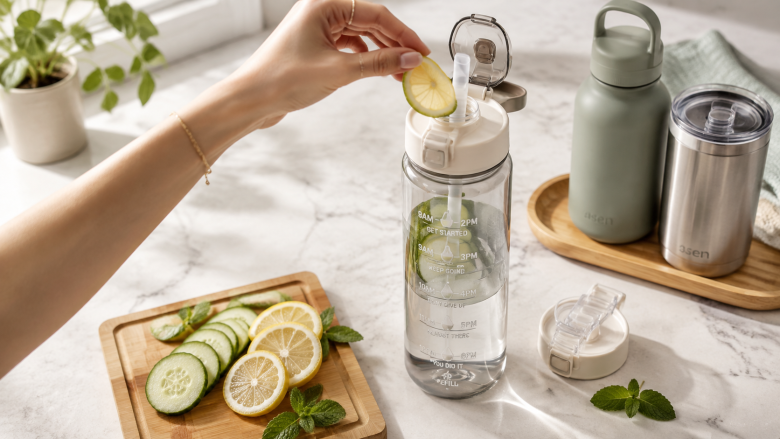
For a more comprehensive approach, consider whole food sources of electrolytes. As we covered in our guide to 8 Foods for Natural Daily Hydration, foods like cucumbers, celery, oranges, and coconut water provide potassium and magnesium naturally. I often eat a cucumber with a pinch of salt as a mid-afternoon snack. It hydrates better than a glass of water.
Most people don't realize that plain water can actually dehydrate you if you're already low on electrolytes. If you're drinking more than 3 liters a day and still feel thirsty, stop. You need electrolytes, not more water.
Timing Your Water Intake for Maximum Retention
When you drink is just as important as how much. I learned this the hard way after years of chugging water right before bed, then waking up twice a night to pee. The solution is simple: front-load your hydration in the morning and early afternoon, and taper off in the evening.
Here's my current schedule, which I've refined over months:
- 6:30 AM (wake-up): 10 gulps of water with a pinch of salt and a squeeze of lemon. This rehydrates after sleep and sets the tone for the day.
- 8:00 AM (breakfast): 1 glass of water during the meal. The food buffers the water, slowing absorption and reducing bladder urgency.
- 12:00 PM (lunch): 10 gulps of water 15 minutes before eating. Then sip water during the meal.
- 3:00 PM: 10 gulps of water with electrolyte powder or a pinch of salt. This is the last big hydration push.
- 6:00 PM (dinner): Sip water with the meal only. No large gulps.
- After 8:00 PM: No more than a few sips if needed. I stop drinking completely 2 hours before bed.
Aligning water intake with meals is a game-changer. The fiber and nutrients in food help your body absorb water more slowly, which means less goes straight to the bladder. I also avoid drinking large amounts of water on an empty stomach, especially in the evening.
One exception: after intense exercise, you need to rehydrate quickly. In that case, the 10-gulp rule with electrolytes is perfect, even if it's late. But for daily life, the timing framework above will keep you hydrated without the bathroom marathon.
Hydration Hacks That Don't Involve a Water Bottle
You don't have to drink your way to hydration. In fact, about 20% of your daily water intake comes from food, according to the CDC. Foods with high water content, like watermelon, strawberries, cucumbers, and zucchini, are excellent for hydration because they come with natural electrolytes and fiber.
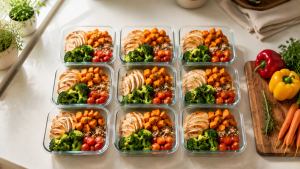
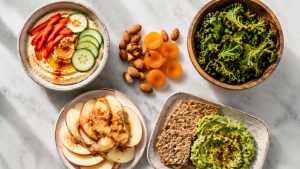
I make a habit of including at least one water-rich food at every meal. For breakfast, I add sliced cucumber or melon. For lunch, a big salad with tomatoes and bell peppers. For dinner, steamed zucchini or broccoli. It's effortless and the hydration benefit is real.
Broths and soups are another underrated hack. A warm cup of bone broth or vegetable broth in the afternoon provides both water and sodium, which improves retention. It's especially useful in winter when you're not naturally thirsty.
If you live in a hot climate or exercise heavily, you might need more precise guidance. For that, I recommend using the Hydration by Climate Calculator. It adjusts your water needs based on temperature, humidity, and activity level. I found that I was drinking too much on cool days and not enough on hot ones. The calculator helped me dial it in.
How to Drink More Water Without Peeing All the Time
This is the million-dollar question, and the answer is not what you expect. It's not about drinking less water; it's about drinking smarter. The three biggest factors are: sip speed, electrolyte balance, and bladder training.
Sip speed. When you chug water, your kidneys sense a sudden increase in blood volume and start filtering it out rapidly. Slow sips (over 5-10 minutes per glass) give your kidneys time to adjust. The 10-gulp rule is an exception because it's designed to trigger rapid absorption, but if you do it too often, you'll still pee a lot. Use it only 3-4 times a day.
Electrolyte balance. As I mentioned, adding a pinch of salt or an electrolyte blend helps your body retain water. Without it, you're just flushing water through your system. I've tested this: on days I skip salt, I pee about 30% more often.
Bladder training. This is something most hydration articles ignore. If you've been drinking large volumes for years, your bladder may have stretched and become sensitive. Gradually extend the time between bathroom visits. Start by holding for 15 minutes longer than your urge tells you. Over a few weeks, your bladder capacity increases. I went from needing to pee every hour to every 3 hours.
One more thing: avoid caffeine and alcohol, which are diuretics. If you drink coffee, try to limit it to one cup in the morning, and pair it with a glass of water that has a pinch of salt. That counteracts some of the diuretic effect.
What Hydrates You Quicker Than Water?
Surprisingly, plain water is not the fastest hydrator. According to research from St. Andrews University, beverages with a small amount of sugar, fat, or protein, such as milk, orange juice, or oral rehydration solutions, hydrate more effectively than water. The reason is that these drinks slow gastric emptying and provide a more favorable osmotic gradient for absorption.
Milk is particularly effective because it contains lactose, protein, and fat, which all help retain water in the bloodstream. I use milk (or a dairy-free alternative like oat milk) as a post-workout recovery drink instead of water. It hydrates better and provides protein for muscle repair.
Oral rehydration solutions (ORS) are the gold standard for rapid rehydration, especially after illness or extreme exercise. They contain a precise ratio of glucose and sodium. You can make your own: 1 liter of water, 6 teaspoons of sugar, 1/2 teaspoon of salt. But don't use this for daily hydration unless you need it, because the sugar adds up.
Bottom line: if you need to hydrate quickly (e.g., after a long run or a hangover), water is not your best bet. Reach for milk, a sports drink with electrolytes, or a homemade ORS. For daily hydration, water with a pinch of salt is still the most practical.
Your Daily Hydration Blueprint: A Simple Framework
After all this trial and error, I've distilled the advice into a one-page framework I call the "Hydration Triangle." It has three sides: timing, electrolyte balance, and rapid absorption bursts.
- Timing: Front-load water in the morning. Drink with meals. Stop 2 hours before bed.
- Electrolyte balance: Add a pinch of salt to your water once or twice a day. Eat water-rich foods with natural electrolytes.
- Rapid absorption bursts: Use the 10-gulp rule 3-4 times daily (post-wake, pre-lunch, mid-afternoon, post-exercise). Sip slowly the rest of the time.
To make it concrete, here's a sample daily checklist you can print or save:
- Upon waking: 10 gulps of water with salt + lemon
- Breakfast: 1 glass of water during the meal
- Mid-morning: Sip water slowly (no chugging)
- Pre-lunch: 10 gulps of water
- Lunch: Eat water-rich foods (salad, cucumber, fruits)
- Afternoon snack: 1 glass of water with salt or electrolyte powder, or a cup of broth
- Dinner: Sip water with the meal
- Evening: Very few sips, stop 2 hours before bed
This blueprint is not rigid. Adapt it to your schedule. The key is the pattern: bursts of fast absorption, balanced with slow sipping, and aligned with meals.
Common Hydration Mistakes That Even Health-Conscious People Make
I've made all of these mistakes, so I can speak from experience.
Mistake 1: Drinking water when you're not thirsty. Thirst is a reliable indicator for most people. Forcing water when you're not thirsty can lead to hyponatremia (low blood sodium), which is dangerous. The only exception is during intense exercise or hot weather when thirst lags behind need.
Mistake 2: Relying only on thirst. Wait, doesn't that contradict the previous point? No. The nuance is that thirst is reliable for daily life, but not for athletic performance. Athletes should drink before they feel thirsty. But for a desk worker, thirst is fine.
Mistake 3: Drinking too much water too fast. I've seen people down a liter in 10 minutes thinking they're hydrating. They're actually flooding their kidneys. Slow and steady wins the race, except for the 10-gulp rule which is a tool, not a lifestyle.
Mistake 4: Ignoring urine color. Pale yellow is ideal. Clear urine means you're overhydrated. Dark yellow means you're dehydrated. Use this as a simple daily check. If your urine is clear, cut back on water and add electrolytes.
Mistake 5: Thinking all fluids are equal. Coffee, soda, and alcohol are not great hydrators. While coffee and tea do count toward fluid intake, their diuretic effect can offset some of the benefit. I stick to water, milk, and herbal tea for most of my hydration.
When to Use the Hydration by Climate Calculator
If you live in a hot, humid climate or regularly exercise outdoors, your water needs can double or triple. The Hydration by Climate Calculator takes into account temperature, humidity, activity level, and sweat rate to give you a personalized target. I used it when I moved from a temperate city to a humid coastal area, and it saved me from dehydration headaches.
For example, on a 90-degree day with 80% humidity, the calculator recommended I drink 4.5 liters of water with added electrolytes. Without that guidance, I would have drunk maybe 2 liters, and felt terrible. The tool is free and takes 30 seconds. It's a must for anyone who doesn't want to guess.
The Bottom Line on Smart Hydration
Hydration is not a numbers game. It's a strategy. The goal is not to chug water all day, but to retain what you drink and deliver it to your cells. The bathroom marathon is a sign that you're doing it wrong, not that you're a hydration champion.
Start with the 10-gulp rule, add a pinch of salt to your water, and time your intake around meals. Use the Hydration by Climate Calculator if you're active or live in a hot area. And remember: food counts. A cucumber is a glass of water with bonus electrolytes.
Within a week of making these changes, I stopped feeling like a slave to the water bottle. I had more energy, fewer headaches, and I could finally sit through a movie without needing a bathroom break. You can too.