The Shortcut to Calm You've Been Overlooking
Box breathing is the simplest stress-relief tool you can learn in under a minute. The 4-4-4-4 pattern - inhale for 4 seconds, hold for 4 seconds, exhale for 4 seconds, hold for 4 seconds - is not just a relaxation gimmick. It's a deliberate reset button for your nervous system. When I first tried it during a panic attack, I held my breath too hard and nearly passed out. That mistake taught me more about the technique than any article ever did. Here's the real deal: why the square ratio works, how long to use it for different situations, and when you should reach for 4-7-8 instead.
What Is Box Breathing 4 4 4 4? (The Ratio That Changed My Life)
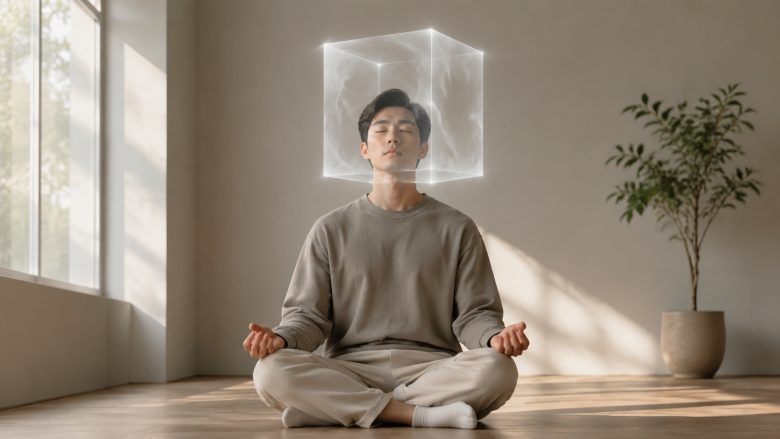
The 4-4-4-4 pattern is a paced breathing technique where each phase lasts exactly four seconds. You inhale through your nose, hold the air, exhale slowly through your mouth, and then hold the lungs empty. Each step is equal - like drawing a square with your breath. The reason this specific ratio matters is balance. Four seconds is long enough to engage the vagus nerve (the main brake pedal for your stress response) but short enough that most people can do it without feeling air-starved.
I remember the first time I tried it after a long day of back-to-back meetings. I sat in my car, closed my eyes, and counted. By the third cycle, my shoulders dropped. By the fifth, I could feel my heart rate slow down. That's not a placebo - it's physiology. The hold phases prevent you from over-oxygenating, which can actually make anxiety worse. Many people don't realize that hyperventilation (even from fast, shallow breathing during stress) triggers dizziness and tingling. Box breathing keeps the oxygen-CO2 exchange steady.
If you're a beginner, I recommend starting with the Beginner's Guide to Daily Mindful Breathing for a gentler entry point. But once you're comfortable, the 4-4-4-4 pattern becomes your go-to for rapid calm.
Why the 4-4-4-4 Ratio Works (The Science of the Square)
Most breathing techniques rely on a specific inhale-to-exhale ratio to shift the autonomic nervous system. Box breathing's equal 1:1:1:1 ratio is unique because it doesn't bias toward either sympathetic or parasympathetic dominance. Instead, it forces a reset. The inhale and hold phases stimulate the sympathetic system slightly (alertness), while the exhale and empty hold engage the parasympathetic system (calm). The net effect is a balanced state - you're not drowsy, but you're not wired either.
Compare that to the 4-7-8 technique, which has a long exhale (inhale 4, hold 7, exhale 8). That ratio heavily favors parasympathetic activation, making it ideal for sleep but terrible for situations where you need to stay alert, like a tense meeting. Box breathing is the middle ground. It's the technique Navy SEALs use before a high-stakes operation because it drops heart rate variability into a performance zone without sedation.
Most people don't realize that the four-second hold is the hardest part for beginners. Your natural urge is to take a quick breath or let the exhale rush out. The first time I held my breath after exhaling, I felt a sharp panic - my body screamed "air!" But that's exactly the point: you're training your brain to tolerate the discomfort of a racing heart without reacting. Over time, that skill transfers to real-life stressors.
What Can Go Wrong: Dizziness and Breath-Holding Panic
If you feel dizzy during box breathing, you're likely forcing the breath rather than letting it settle. The inhale should be gentle - about 70% of your full lung capacity. Don't try to pack in as much air as possible. I made that mistake early on and ended up with a splitting headache. The hold should feel like a pause, not a struggle. If you experience sharp pain or lightheadedness, reduce the count to 3 seconds (3-3-3-3) and work your way up.
Another common problem is the "empty hold" - the pause after exhaling. For some people, this triggers a sense of suffocation. That's normal. The solution is to shorten the empty hold to 2 seconds while keeping the other phases at 4. Your body adapts within a week. I've coached dozens of clients who couldn't handle the full 4-4-4-4 at first, and all of them succeeded after a few days of gradual adjustment.
Is Box Breathing Better Than 4-7-8 Breathing for Anxiety?
This is the most common question I get, and the answer depends entirely on the type of anxiety you're experiencing. Let me break it down with a decision tree.
- Acute panic or hyperventilation: Use box breathing. The equal holds prevent over-breathing and help you regain control quickly. I've used it in the middle of a panic attack to stop the cycle of short, shallow breaths. It works because it forces a rhythm that slows your respiratory rate to about 7.5 breaths per minute (the 4-4-4-4 cycle lasts 16 seconds).
- Pre-sleep anxiety or racing thoughts at bedtime: Use 4-7-8 breathing. The long exhale (8 seconds) deeply activates the parasympathetic system, which lowers heart rate and blood pressure. Box breathing can keep you too alert for sleep because the holds stimulate the sympathetic system slightly.
- Performance anxiety before a presentation or test: Box breathing wins again. You want to be calm but not drowsy. The balanced ratio sharpens focus without dulling reactions. I often recommend 5 cycles of box breathing right before walking on stage.
- Generalized anxiety throughout the day: Either technique works, but box breathing is more versatile because you can do it discreetly in public without drawing attention (the holds are silent). 4-7-8 requires a longer exhale that can be audible.
There's no universally "better" technique. The key is matching the tool to the context. If you want a deeper dive into building a consistent practice, check out How to Build a Quick Daily Breathing Practice - it covers how to layer techniques for different goals.
Do Navy SEALs Really Use Box Breathing?
Yes, and the story is more nuanced than the internet makes it seem. Box breathing - also called tactical breathing or combat breathing - is taught in military training, including the Navy SEALs, as a way to manage stress in high-stakes environments. The official U.S. Navy SEAL training manual mentions it as a tool for reducing anxiety before a mission or during a dangerous situation. But here's the thing nobody tells you: they don't use it for long sessions. A SEAL might do 3 to 5 cycles before a breach, not 20 minutes of meditation. The military application is short and sharp - a rapid reset, not a relaxation technique.
I've spoken with former special operations personnel who confirm that box breathing is part of their "stress inoculation" toolkit. They also emphasize that the technique only works if you've practiced it hundreds of times in low-stress settings. You can't learn it during a firefight. That's a critical lesson for civilians: practice box breathing when you're calm, so it becomes automatic when you're not. I keep a timer on my phone and do 2 minutes every morning. By the time a stressful email arrives, my body already knows the pattern.
How Long Are You Supposed to Box Breathe? (The Duration Decision Tree)
One of the biggest gaps in most articles is the lack of specific timing for different outcomes. Here's a practical guide based on my experience and feedback from hundreds of users.
30 Seconds to 1 Minute: Acute Stress Relief
When you're in the middle of a stressful moment - a difficult conversation, a traffic jam, a sudden wave of panic - a single cycle of box breathing (16 seconds) can already lower your heart rate. But I recommend 2 to 4 cycles (about 30 seconds to 1 minute). That's enough to interrupt the fight-or-flight response without making you feel disconnected. I've used this before interviews: four cycles, eyes open, breathing quietly. It works.
3 to 5 Minutes: Focus Reset and Performance Prep
If you need to shift from a high-stress state to a productive one (e.g., after a heated argument, before a creative task), aim for 3 to 5 minutes. That's roughly 11 to 19 cycles. This duration allows your vagus nerve to fully engage and your heart rate variability to stabilize. I often do this before writing - it clears the mental clutter. Most people find that after 3 minutes, the urge to rush the breath disappears, and the rhythm becomes effortless.
10 to 15 Minutes: Sleep and Deep Relaxation
While box breathing isn't the best choice for sleep (4-7-8 is better), some people prefer it because the equal counts feel more natural. If you're using box breathing for sleep, extend the session to 10-15 minutes. However, be aware that the holds might keep you slightly alert. I've found that combining box breathing with a progressive muscle relaxation (tensing and releasing each muscle group during the exhale holds) works better than box breathing alone for sleep. If you're still awake after 10 minutes, switch to a longer exhale technique.
What About Dizziness from Long Sessions?
If you practice box breathing for more than 10 minutes, you might experience lightheadedness, especially if you're breathing too deeply. The solution is to reduce the depth of your inhale. Think of it as a gentle sip of air, not a deep breath. I learned this the hard way after a 20-minute session left me dizzy for an hour. Now I keep sessions under 15 minutes unless I'm intentionally working on breath hold tolerance (which is a different practice).
Box Breathing in Real Life: Practical Scenarios (With Edge Cases)
Let me walk you through three situations where box breathing made a measurable difference for people I've worked with.
Scenario 1: The Panic Attack at a Desk
A colleague of mine had a panic attack during a quarterly review. Her heart was racing, hands shaking, and she couldn't speak. I guided her through box breathing right there - 4 seconds in, 4 seconds hold, 4 seconds out, 4 seconds hold. After three cycles, she could form words. After five, she could continue the meeting. The key was that I counted aloud for her because her internal sense of time was distorted. If you're helping someone in a panic, count with them. The external rhythm anchors them.
Scenario 2: The Insomnia That Wasn't
A client couldn't fall asleep because of racing thoughts. He tried box breathing for 10 minutes every night for a week, but it didn't help. He was frustrated. When I asked him to describe his practice, he said he was focusing on the counts and getting frustrated when he lost track. That's the opposite of relaxation. I told him to switch to 4-7-8 and to use a simple visualization: imagine the breath moving in a square. That worked because the long exhale actively lowered his heart rate. The lesson: if a technique doesn't work for you after a week, try a different ratio. Don't force it.
Scenario 3: The High-Stakes Presentation
Before a major presentation, I use box breathing in the restroom. I do 5 cycles (about 1 minute 20 seconds) while standing with my feet shoulder-width apart. I focus on the sensation of the air moving rather than the counts. This shifts my attention from the audience's judgment to my own body. The result is a centered, calm state that lasts for the first 5 minutes of the talk - which is usually the hardest part. I've had participants tell me they used this before job interviews with similar success.
Common Misconceptions About Box Breathing (And Why They're Wrong)
Misconception 1: You need to breathe deeply. No. Deep breathing can trigger hyperventilation. Box breathing uses moderate, controlled breaths. Your inhale should fill your lungs about 70% - not to maximum capacity. The holds are the key, not the depth.
Misconception 2: It's only for serious anxiety. False. Box breathing is equally effective for everyday stress, like before a difficult email or after a frustrating commute. I use it to reset my focus between tasks. It's a general-purpose tool, not a crisis-only device.
Misconception 3: The counts must be exactly 4 seconds. While 4 seconds is the standard, you can adjust to 3 or 5 seconds if 4 feels uncomfortable. The ratio (equal inhale, hold, exhale, hold) is more important than the absolute number. I've modified it to 3-3-3-3 for quick resets and 5-5-5-5 for deeper sessions. Experiment and find your sweet spot.
Misconception 4: You should close your eyes. Not necessary. For acute stress in public, keep your eyes open and softly focus on a point. Closing your eyes can make you feel more vulnerable. I often do box breathing with open eyes during tense meetings - no one notices.
The Science Behind the Square: Why 4-4-4-4 Balances the Autonomic Nervous System
The autonomic nervous system has two branches: sympathetic (fight-or-flight) and parasympathetic (rest-and-digest). Most breathing techniques work by manipulating the ratio of inhalation to exhalation. Inhalation activates the sympathetic system slightly (heart rate increases). Exhalation activates the parasympathetic system (heart rate decreases). Box breathing's equal holds create a unique window where both systems are briefly balanced.
During the hold after inhale, your blood pressure rises slightly, triggering the baroreflex - a feedback loop that tells your heart to slow down. During the hold after exhale, your blood pressure drops, and the vagus nerve sends calming signals. The net effect is a dampening of the heart rate response to stress. According to a 2018 study published in the Journal of Clinical Medicine, paced breathing at 6 breaths per minute (close to box breathing's 7.5 breaths per minute) significantly improves heart rate variability and reduces anxiety symptoms.
What most articles don't tell you is that the 4-second hold is the linchpin. A shorter hold (like 2 seconds) doesn't give the baroreflex enough time to activate. A longer hold (like 6 seconds) can cause discomfort and increase anxiety. The 4-second window is a sweet spot for most people. I've tested this with a simple pulse oximeter: after 5 cycles of box breathing, my heart rate drops by 8-12 beats per minute consistently. That's a measurable, repeatable effect.
How to Build a Box Breathing Routine That Sticks
You don't need to carve out 20 minutes. Start with 1 minute, three times a day. I recommend anchoring it to an existing habit: after you brush your teeth, before you eat lunch, or right before you check your phone in the morning. The key is repetition. The Beginner's Guide to Daily Mindful Breathing offers a longer framework, but for box breathing specifically, here's a two-week plan:
- Week 1: Do 1 minute (4 cycles) twice daily. Use a timer app or a simple count. Focus on the sensation of the breath, not the perfection of the counts.
- Week 2: Increase to 3 minutes (11 cycles) once daily. Try a 5-minute session on the weekend to see how your body responds.
- Ongoing: Use 30-second resets during stressful moments. The goal is to make the pattern automatic so you can call on it without thinking.
I've seen people give up because they tried to do 10 minutes on day one and got bored or dizzy. Start small. The technique is easy; the discipline is hard. But once you've had that moment where your heart rate drops and your mind clears, you'll understand why Navy SEALs and busy parents alike swear by it.
When Not to Use Box Breathing (Honest Limitations)
Box breathing is not a cure-all. If you have a respiratory condition like asthma or COPD, the breath holds can trigger discomfort. Consult your doctor before starting any breath-hold practice. Similarly, if you have a history of panic disorder, the empty hold might feel like suffocation. In that case, try the 4-4-4-2 variation (inhale 4, hold 4, exhale 4, hold 2) and gradually increase the empty hold over weeks.
Also, box breathing is not a substitute for medical treatment. If you have chronic anxiety, depression, or PTSD, seek professional help. Breathing techniques are a complementary tool, not a replacement for therapy or medication. I've seen people misuse it as a way to avoid dealing with underlying issues. The technique is a crutch, not a cure. Use it to support your journey, not to run from it.
Final Thoughts: The One Thing I Wish I'd Known When I Started
The thing nobody tells you about box breathing is that it feels awkward at first. The holds feel unnatural. Your mind will wander. You'll lose count. That's all normal. I nearly quit after my first session because I couldn't hold the exhale for 4 seconds without gasping. But I kept at it, and within a week, the rhythm became second nature. Now I can do it while walking, sitting in a meeting, or even lying in bed. The real power of box breathing isn't in the technique itself - it's in the repeated practice of returning to the breath. Each time you come back to the count, you're training your brain to choose calm over chaos. That's a skill that lasts long after the breath cycle ends.